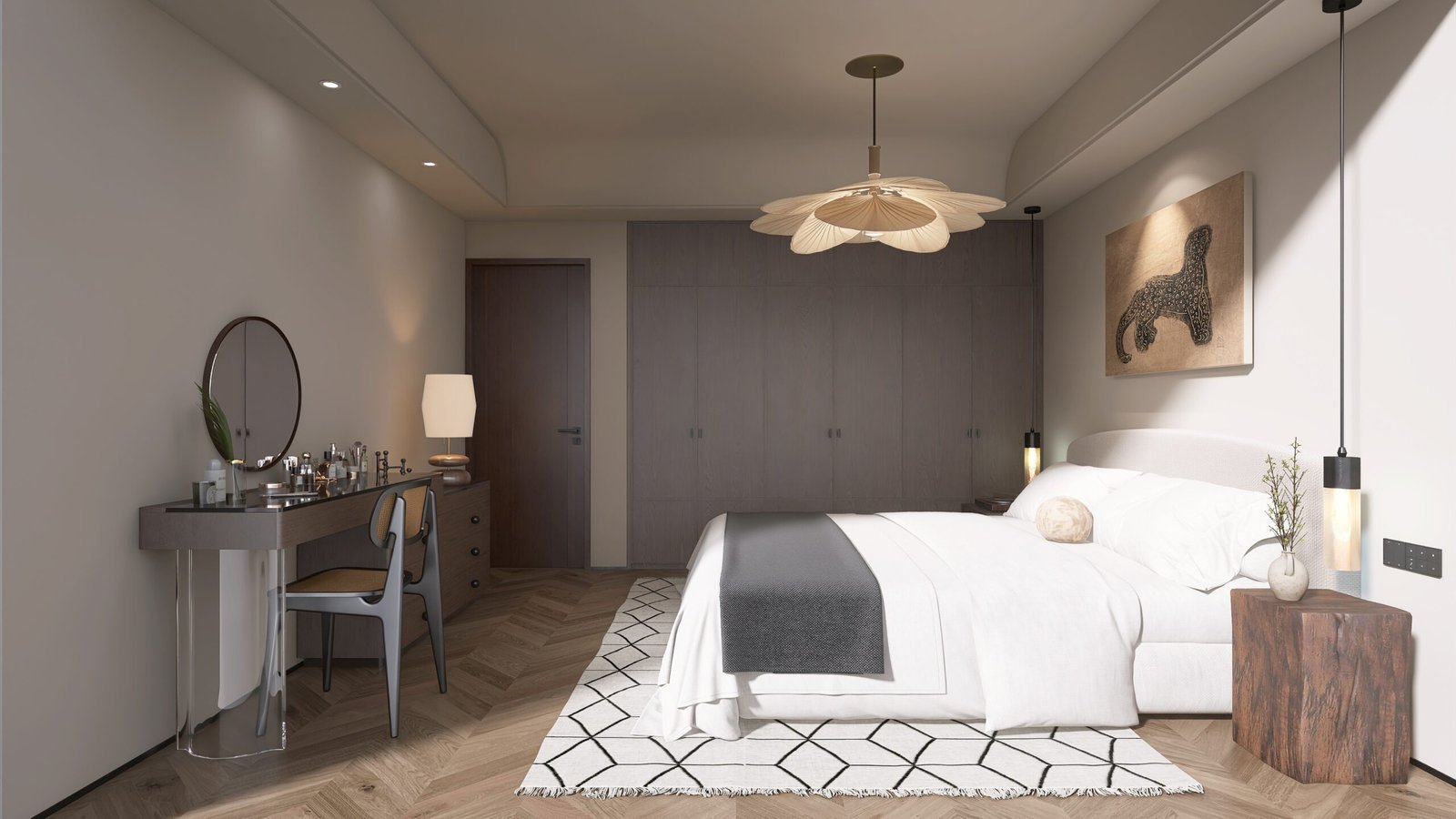
As an interior designer, I see the same mistake over and over: people look for “coziness,” but they end up buying “decorations.” Coziness is often presented as a visual formula: warm colours, soft cushions and candlelight. While that works for a first impression or home staging, it rarely holds up for actual living.
I like to compare a home to a relationship:
- The Surface: Romantic dates, visual attraction, and instant gratification.
- The Depth: Trust, shared values, and a lifestyle that actually clicks.
What does this look like in practice? It’s the architectural layout of your daily rhythm. If you’ve chosen an open-plan kitchen but find yourself fighting the noise while trying to relax in the lounge, the space isn’t serving you. Before choosing the sofa, it is worth clarifying which role should dominate, and how the room can support both social life and retreat when needed.
Look at your vacuum cleaner or your yoga mat. If they are permanently cluttering your transition zones, it’s a sign that the home’s flow doesn’t match your reality. Instead of your home supporting your lifestyle, you’re fighting a daily “mini-war” with a layout that ignores your habits. The small points of daily friction often reveal where the design needs to work harder.
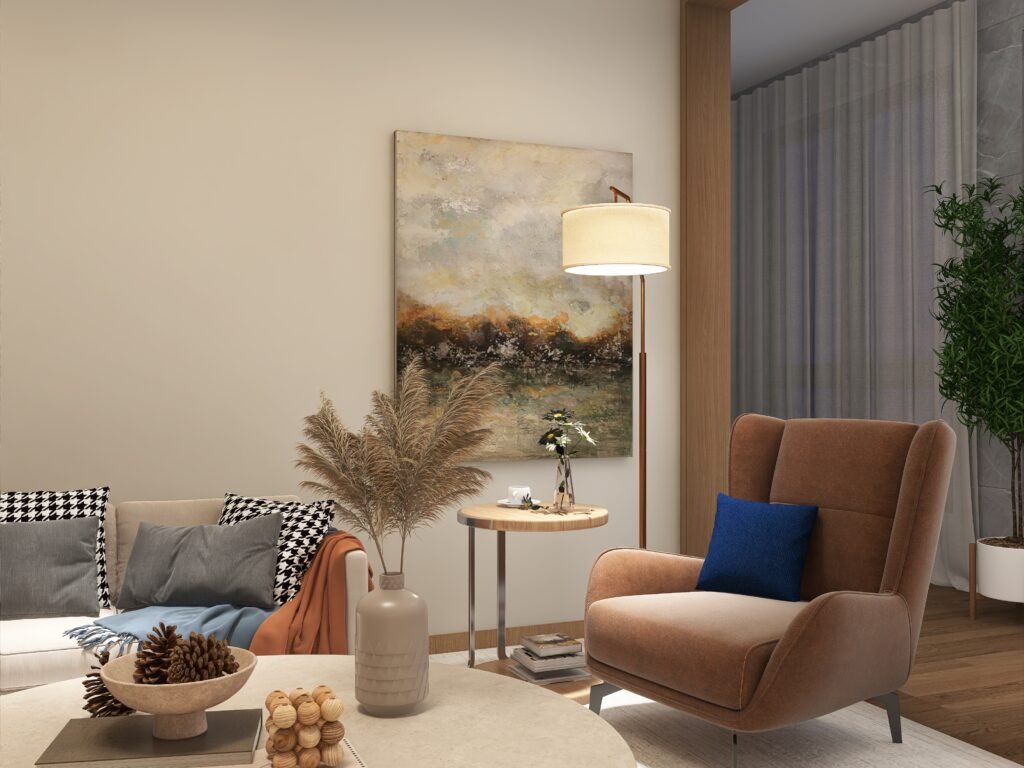
The “Coziness Indicators” I prioritize in my projects:
- Functional ease: Does your hallway manage the ‘logistics of arrival’? It should be the place that effortlessly absorbs your bags, parcels, and daily gear, preventing the mental clutter from leaking into your living space.
- Support for the body: If you enjoy reading or knitting while the family watches TV, a squishy sofa isn’t the answer. You need a chair with deliberate, ergonomic back support.
- The Math of Comfort: Even just 2 hours a week at an unoptimized desk adds up to over a full week per year spent in physical discomfort.
- Emotional Resonance: This is where we move beyond ergonomics and into your story. Here we define specific elements, perhaps a certain wood grain that reminds you of your grandparents’ house, or a corner designed specifically for your morning coffee ritual, that generate a sense of belonging, or designing a space that celebrates your personal achievements, be it your love for tennis or a passion for travel. A home becomes more personally meaningful when it reflects something of the people living there.
My priority is to design a space that performs as well as it looks, ensuring your home actually works for your daily life.
Pro Tip: Once the functional logic is settled, you can look for that final layer of emotional warmth. Instead of finding a list of 10 tips for a cozy home, I suggest think of a place, perhaps from childhood, perhaps from a later period of your life, where you felt particularly settled or at ease. You may remember a particular texture, scent, sound or quality of light that contributed to that feeling. Bringing that one nostalgic element into your modern environment isone meaningful way to add personal warmth to a functional space.
My Personal Approach
This is where my work truly begins. To get to the heart of what makes a home “yours,” I begin by asking questions that go beyond style preferences. I want to know how you move through your morning, where you seek solace after a long day, and what specific rituals make you feel grounded. By clarifying these less obvious needs, we can move beyond generic aesthetics and start building a space that feels like a second skin.
I’ve always believed that great design is a form of storytelling. I pay close attention to the details that reveal how my clients live, what they value and what helps them feel comfortable. My goal is to take those personal fragments and find “smart,” sophisticated ways to weave them into the very fabric of your interior. Whether it’s a clever layout that respects your need for quiet time or a specific material that brings back a favorite memory, my goal is to make sure your home feels like a true, beautiful reflection of who you are.
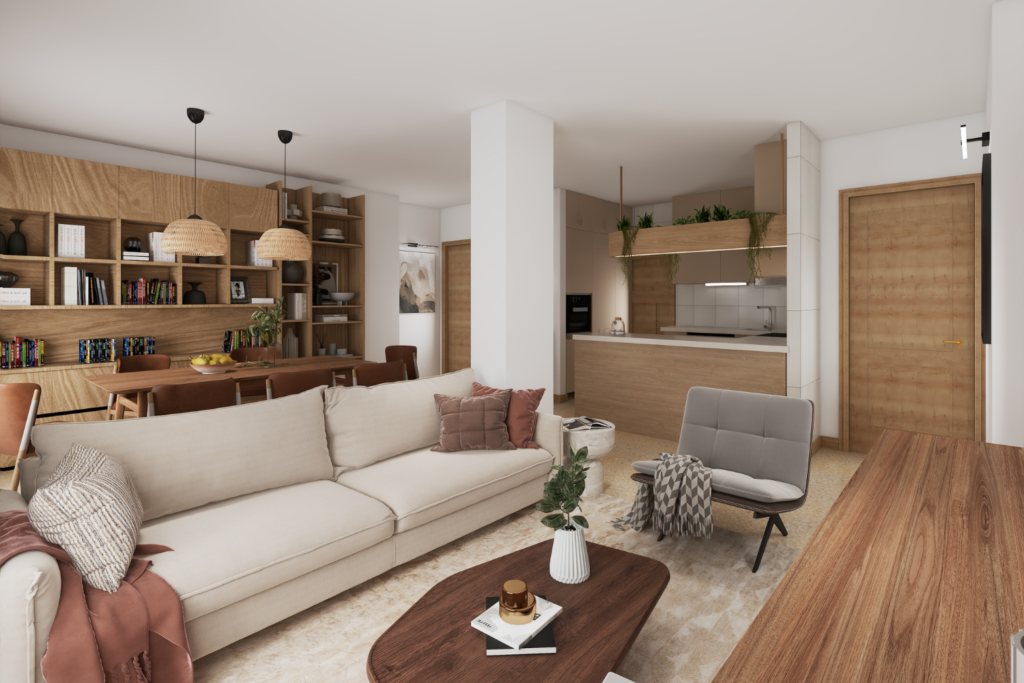
To give you an example from my own life, for me, it’s all about the bookshelf. Growing up, books were my world, and even now, just seeing them lined up around me provides an instant, automatic sense of “home.” Being surrounded by stories and knowledge is my personal anchor. It’s the one thing that immediately makes me feel at peace in my own environment. When I design, I’m looking for that “bookshelf equivalent” for you, that specific element that allows you to recognise the space as your own the moment you enter.
The Designer’s Role
This thoughtful approach is something everyone deserves, but let’s be honest, life moves fast. Between career, family, and travel, we rarely have the time or the headspace toclarify what we need from the space.
Clients do not always arrive with a clear vocabulary for describing how they want a home to feel. Part of my role is to structure that conversation, notice recurring points of friction and translate them into practical design decisions.
Your home is one of the few environments that can be shaped so closely around your own life. There is no other place that has the same potential to support your routines, restore your energy and reflect what matters to you.